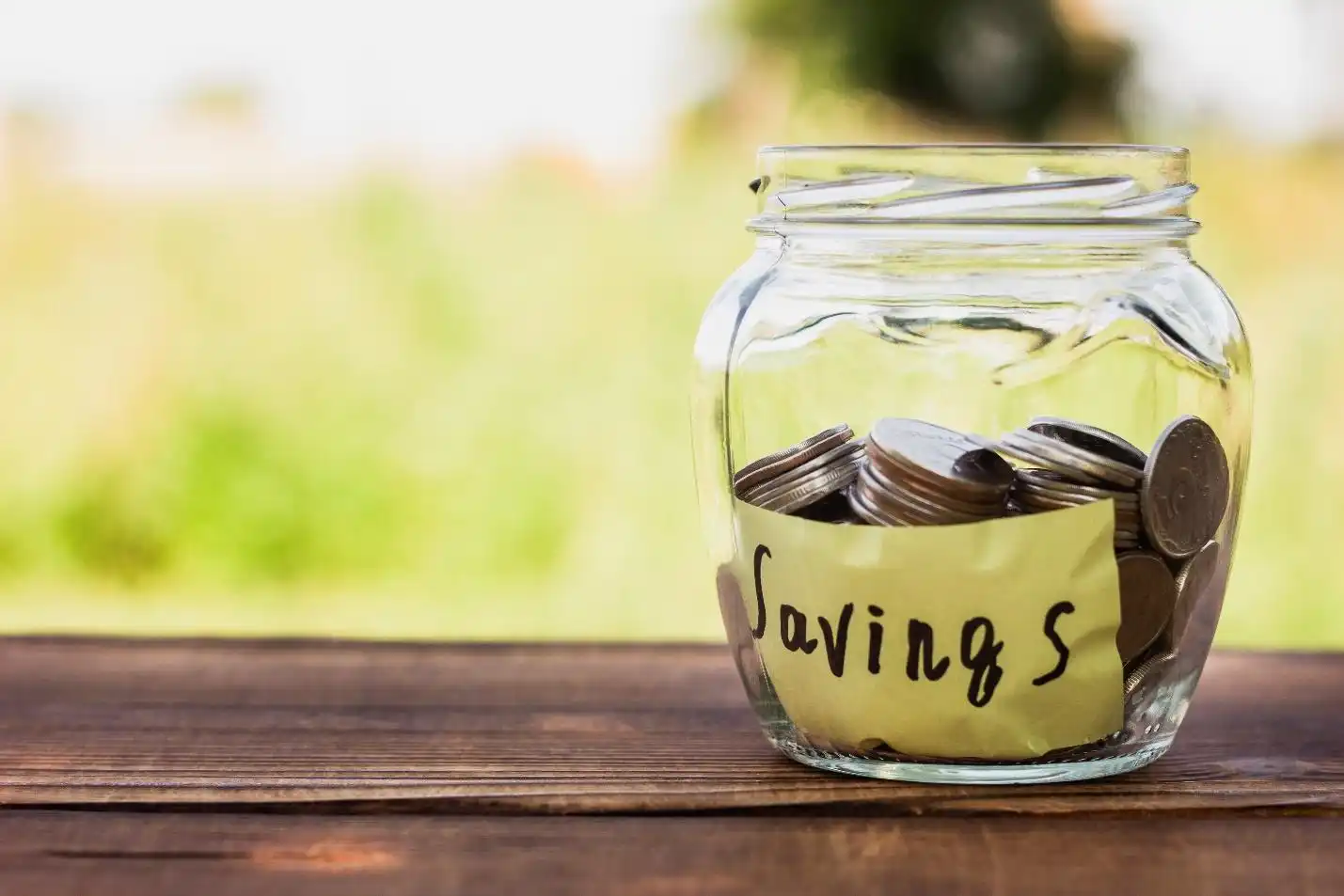
Savings accounts are offered by banks and fintech companies. It holds the cash that you don’t need for day-to-day activities and then pays you interest on your balance (since you’ve held that cash there).
These are different from checking accounts, where all spending money is held. Here, only short and medium-term savings are secured. People usually put their emergency fund into a savings account. Some people also set aside money for future use.
How Does a Savings Account Work?
A savings account works the same way a checking account works. But here, the holders keep the money in account for a long period of time. As the money sits in the account, it starts earning interest. This interest keeps compounding, which means the interest you’ve earned will also earn more interest. Your account balance grows more quickly this way.
Saving accounts are fully safe as long as the bank you’ve opened an account with is reliable and has a solid reputation. Also, the actual amount you store is fully safe, but the interest you earn may lose value over time as inflation rates keep changing.
Types of Saving Accounts
A traditional savings account is the most common type. They have easy-to-access customer service and usually pay below-average savings rates.
We then have high-yield savings accounts, which pay higher interest rates. They also have an annual percentage yield that often reaches 10 times the average rate. Only online banks or fintech companies offer these accounts.
Another type is a money market account, which offers features of both checking and savings accounts. You can easily access funds from these through ATMs. Some banks also offer child/student savings accounts that are co-owned by an adult guardian.
Savings Account Rules
In some cases, you need to keep a minimum balance in your account to avoid monthly charges. Similarly, you can transfer money in and out of your account online or by electronic transfer. Some banks may even limit withdrawals to a few times per month. Exceeding that means you’ll have to pay a small fee or convert your account into a different type.
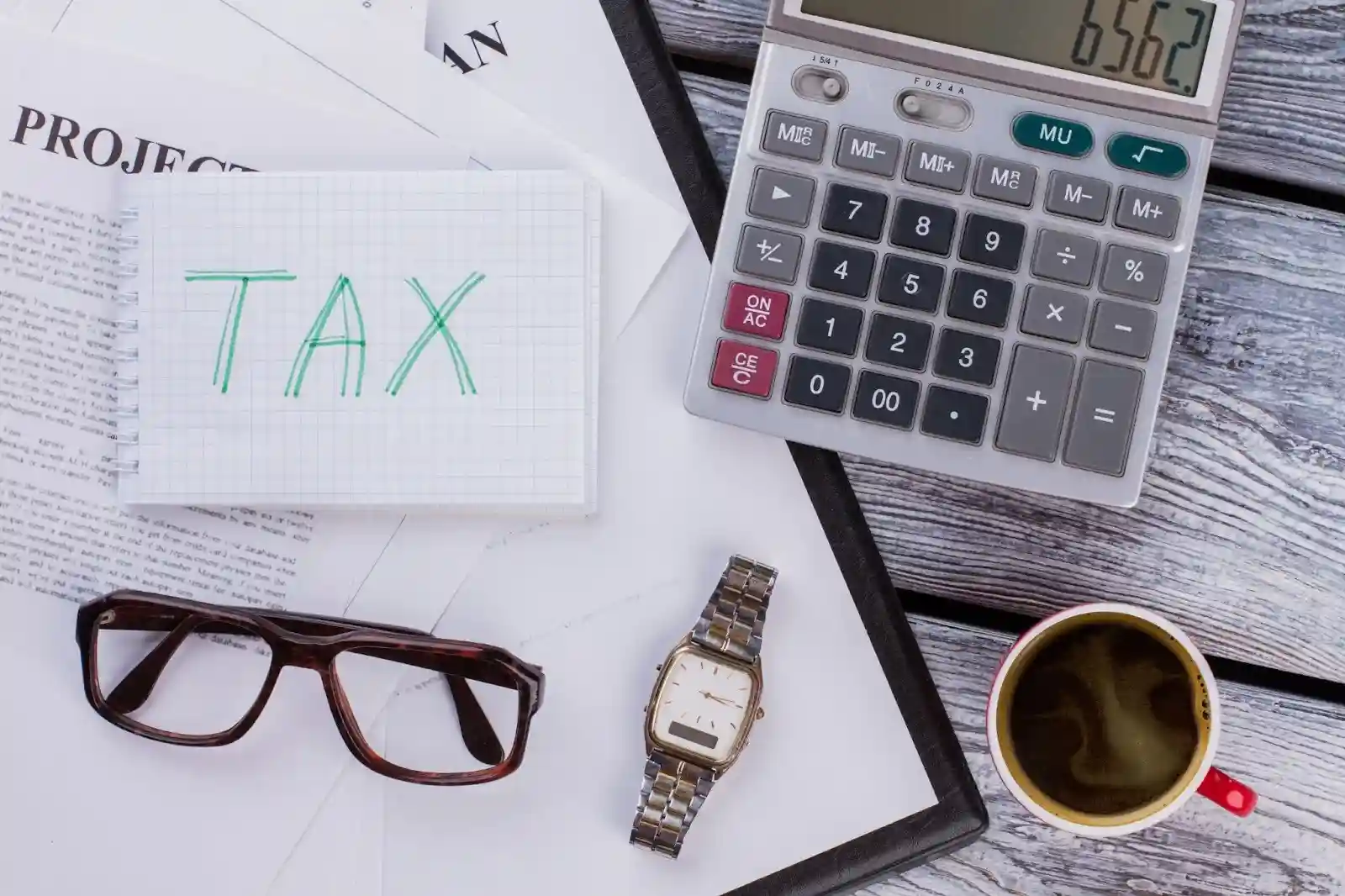
Know that the interest earned on a savings account is taxable, which means you’ll have to pay a certain amount of tax on the interest. The bank will send you a 1099-INT form at tax time so you can fulfill that obligation.
Saving Mistakes You Must Avoid
It’s important never to keep all your funds in a single account. It would make it dangerously easy to accidentally spend your savings. Similarly, you should also regularly track how much the account requirements can cost you in fees and other charges.
Also, never wait till the end of the month to save what is left over. This way, you’ll end up saving nothing at all. You can set up automatic transfers immediately when you get paid.
Bottom Lines
Saving accounts may not be suitable for everyone, and you should carefully analyze your options before making a decision. A seasoned financial consultant can help you choose which type of account you need and how much you should save.